| This week, how fashion players are trying to stay nimble during a transformative year in technology, trends, and tastes. Plus, the CEO of McDonald's on what it's like to start a job as a crisis hits, and a recovery blueprint for Vietnam's travel industry. |
|
|
|
| Are sweatpants the new little black dress? Maybe! Or maybe not. When it comes to the state of fashion in 2021, experts are predicting everything from a glorious Roaring Twenties revival to a severely minimalist wardrobe for our postpandemic closets. The truth—as with most things these days—may be anywhere in between. What is clear is that many eyes remain locked on the fashion industry as both a portent and a rapidly evolving innovator. |
| In the red. The fashion industry posted record-low economic profits in 2020, falling by more than 90 percent after rising 4 percent in 2019. That has translated to devastating job losses and widely disparate performance, though many companies have taken time during the COVID-19 crisis to reshape their business models, streamline their operations, and sharpen their customer propositions. |
| Silver linings, of a sort. Fashion had been tinkering with some industry trends—like digitization—for years. The pandemic accelerated a number of these trends, starting with a substantive shift to digital shopping. Digital was one of the few bright spots in the industry in 2020, with digital sales increases of 30 percent and even up to 50 percent in some categories and geographies. But while the future of fashion retail is clearly digital, the industry won't be able to return to prepandemic levels without a recovery for brick-and-mortar stores. |
| Store wars. The era of utilitarian, in-and-out in-person shopping is ending. And a new period of immersive experiences that create emotional connections is taking its place. Brands are transforming their in-store offerings so that shoppers can get personalized advice, try new products, and indulge in in-store entertainment. |
| Fashion that's sustainable. Sustainability is no longer simply optional for the fashion industry, a known and major contributor to climate change and biodiversity loss. Consumers are paying more attention than ever before to whether their chosen brands are committing to sustainability; they're also calling for clear, measurable actions on energy consumption, pollution, and waste reduction. In response, some fashion players are developing new fabrics and recycling old ones; others are focusing on bringing radical transparency to their supply chains. |
| Fashion that's fair. While the industry went through an awakening after the tragic garment-worker deaths in Bangladesh in 2012-13, much remains to be done regarding fashion's treatment of low-paid workers. Consumers are increasingly aware of the need for a social-justice transformation within the industry—especially since pandemic-induced factory closings in early 2020 affected up to 60 million garment workers around the globe. Campaigns to end exploitation include calls for companies to offer more dignity, security, and justice throughout the entire supply chain, with a specific focus on those at the sharpest end of the crisis. |
|
|

|
|
|
| INTERVIEW |
| A ‘baptism by fire’ at McDonald's |
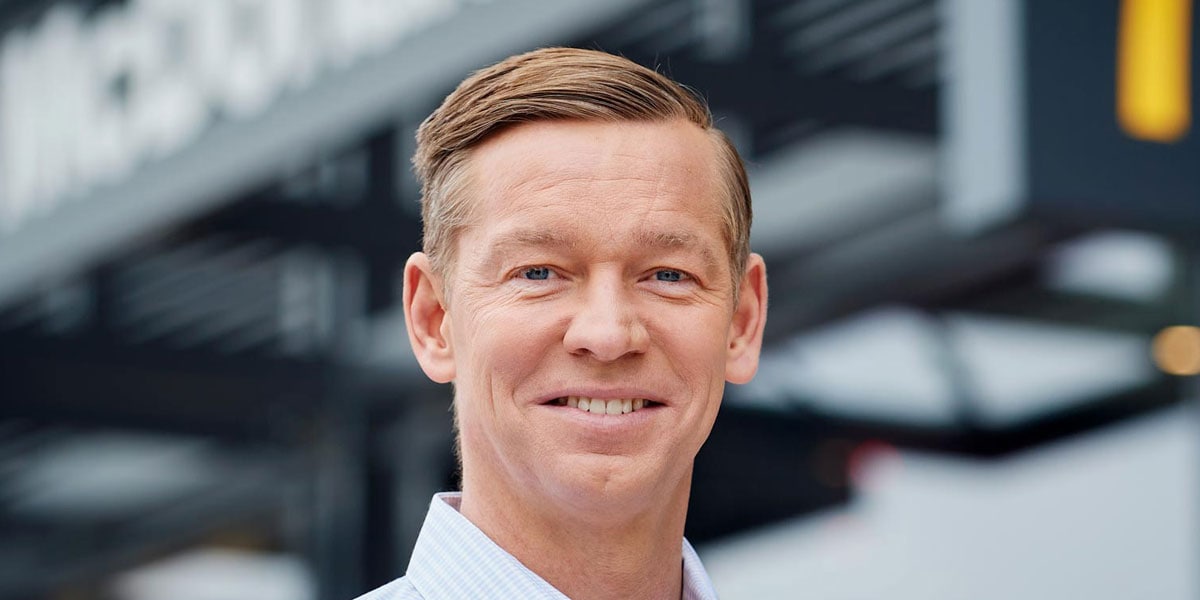
| Chris Kempczinski was named president and CEO of McDonald's in November 2019, less than five months before the COVID-19 pandemic shut down many of its 36,000-plus dining rooms around the world, sending the company's revenues plunging and generating anxiety among employees and franchisees. Yet today, McDonald's looks like it's on track for robust growth in some of its biggest markets. In an interview, Kempczinski said he realized he couldn't overcommunicate during the crisis. “At the end of the year, we asked our employees, ‘Did you feel supported in 2020?’ and over 90 percent said they did. That, for me, was incredibly gratifying.” He also said focusing on what McDonald's does best—drive-thru and core menu items—led to rising customer-service scores across the globe. |
|
|
|
|
| MORE ON MCKINSEY.COM |
| How the Vietnam travel industry can think about recovery | Domestic travel has kept the Vietnamese travel sector afloat. Until international tourism resumes, the industry can use this time to take six steps to reinvent itself and thrive in the tourism economy of the future. |
| The productivity imperative for US life and annuities carriers | Improving productivity requires going beyond short-term tactical cost cutting to transforming operating costs across the value chain and accelerating growth. |
| Securing SMEs: What's next? | Mounting cybersecurity threats are particularly fraught for small and medium-size enterprises (SMEs), whose budgets have tightened. But that provides a window of opportunity for savvy cybersecurity-technology providers. |
|
|
|
|
|
| FOUR QUESTIONS FOR |
| Deanna Mulligan |
| Deanna Mulligan, the former CEO of Guardian Insurance, offers a theory of change for those hiring, retaining, and retraining the next generation of tech-savvy employees. Her book, Hire Purpose: How Smart Companies Can Close the Skills Gap, is a guide for readers seeking to understand how to react to trends in digitization, the gig economy, and education.
|
|
|
|
|
| What problem were you hoping to solve with this book? |
| The problem I was trying to solve is a big societal issue—that is, the digitization of everything. That and the ability to work from anywhere are creating a need for companies to reskill and retrain their workforces. Some of McKinsey's own statistics actually bear that out, that in the next decade there will be about 350 million jobs changing globally. And about 75 million of those jobs will go unfilled, using today's statistics, because companies will be unable to find people with the skills they need. |
| I wrote the book because I wanted to talk a little bit about my experience as CEO of Guardian but also about the experiences of a number of other CEOs, university presidents, and professors whom I met along the way and their experiences with hiring and reskilling. I'm hoping that some of these experiences can be useful for other companies but that they also start a discussion in society about why this is really a critical issue for us to tackle right now. |
| Why is digitization so critical, and how is it affecting the workforce? |
| One thing that people think of when they think of technology is, “Is a robot going to take my job?” Many jobs can be partially automated. Very few jobs are going to be fully automated, though there will be some. But for the preponderance of people, the questions are really going to be: How do I use the technology to make my job more important? How can I raise my game and work better and more efficiently with the technology? |
| Companies are investing a lot of money in this new technology. If they want to see the kind of exponential growth we think we can get from it, they need to help people use it. This is not something people learn in school; there's going to be a lot of learning on the job here. We're going to install a piece of technology, and the people whose jobs are enhanced or partially replaced by that technology are going to have to tell us, “Well, this works, and this doesn't work.” There's going to be a transition period. |
| Where are current hiring processes falling short? |
| We tend to look for people who have done the job before. But we can't really rely on job titles and what people have done in the past to give us clues about whether they'll be able to do jobs that don't exist yet. |
| We need to reorient the way we recruit and hire people and train people based on skills descriptions not job descriptions. That is a massive undertaking, because most people's résumés talk mainly about their job history. I do think that technology might be able to help us out there. Some start-ups and even some governmental institutions are experimenting with artificial intelligence, for example, to really interview people and say, “What [skills have you used] in the past?” |
| What are some things executives can do right now to begin to close the skills gap? |
| Start small. It's going to be very difficult to transform the whole company all at once. Pick a problem that's vexing today and say, “If we were to apply technology and a new way of thinking to this problem, how could we have a different and better outcome?” Get a team of thought leaders involved in solving this problem. And then use it as a pilot case—a demonstration that people can change, that we can use technology to make our experience and our clients' experiences better. |
| This is an excerpt from a recent edition of our new Author Talks series on McKinsey.com. Check out other interviews in the series, as well as our exclusive lists of business bestsellers on our McKinsey on Books page. |
| — Edited by Justine Jablonska |
|
|
|
| BACKTALK |
| Have feedback or other ideas? We'd love to hear from you. |
|
|
|
|
Did you enjoy this newsletter? Forward it to colleagues and friends so they can subscribe too.
Was this issue forwarded to you? Sign up for it and sample our 40+ other free email subscriptions here.
|
|
|
Copyright © 2021 | McKinsey & Company, 3 World Trade Center, 175 Greenwich Street, New York, NY 10007
|
|
|
|