As we step into 2026, sustainable performance and workplace wellbeing are top of mind for leaders and employees alike. After a year defined by constant change, shifting expectations, and an explosion of new AI tools in 2025, burnout risk is rising—especially among younger workers. Research from the McKinsey Health Institute (MHI) continues to show that they report higher levels of stress and emotional exhaustion.
A McKinsey Health Institute survey of more than 30,000 employees across 30 countries found that 1 in 5 professionals experience burnout symptoms, including cognitive and emotional impairment, exhaustion, and mental distance. Recently, we explored this topic further in a webinar with alumni of the McKinsey.org Forward program. Participants completed a self-assessment, which suggested that this challenge may be even more widespread.
But there’s good news: wellbeing is a skill—one that can be practiced and strengthened. Below are three practical, everyday habits you can weave into your work life to stay steady, healthy, and energized in 2026.
1. Don’t Fall Into the “AI Tools Trap”
With new AI tools and terminology appearing almost daily, it’s tempting to try to keep up with everything. That instinct, however, can fast-track burnout.
Instead of chasing every new feature, we encourage learners to anchor themselves in four foundational AI mindsets: curiosity, adaptability, responsibility, and human-centered thinking.
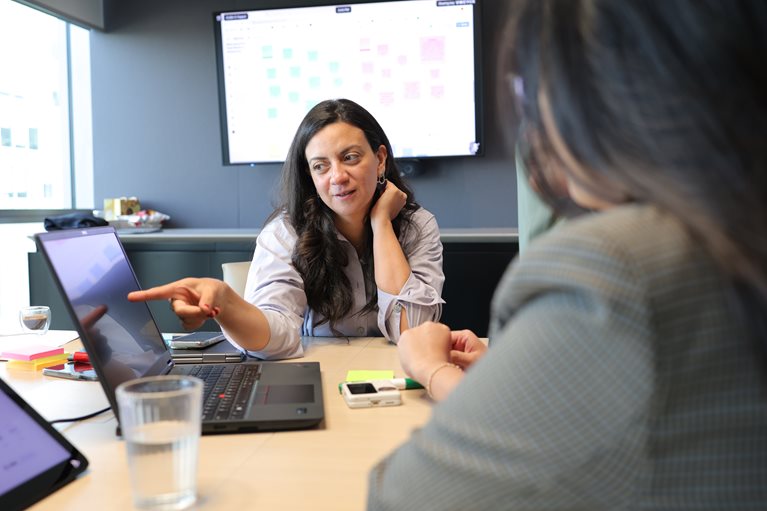
Practically, this means being intentional about where and when you experiment. Choose a short list of situations or use cases where you want to try AI tools. Get into the habit of pausing before you hit generate to check for any unintended consequences like bias, inaccuracy or privacy. Build adaptability through small, sustainable routines—like spending 15 minutes each week learning one new AI capability without the pressure to master it.
2. Name Your Triggers So You Can Tame Them
Triggers occur when your mind and body interpret an emotionally charged moment as a threat—even when the situation isn’t actually dangerous. These moments can lead to unhelpful reactions such as conflict, shutting down, overworking, withdrawing, or avoiding tasks.
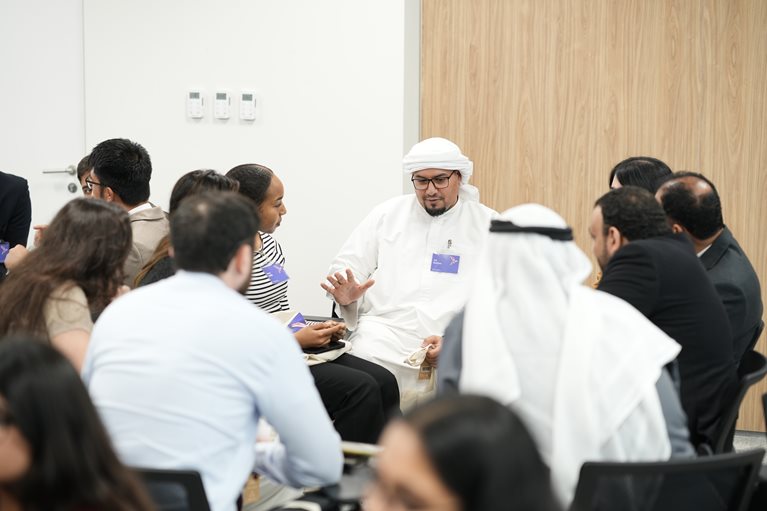
A powerful tool for breaking these patterns is Awareness–Pause–Reframe, a favorite among many of our learners.
- Awareness simply means noticing what’s happening in your body and mind when pressure rises. Common triggers for young professionals include tight deadlines, mistakes, or critical feedback. Pay attention to cues like a tight chest, racing thoughts, frustration, or self-doubt.
- Pause by taking a breath, stepping back, and creating space between the trigger and your response. This short interruption prevents reflexive reactions.
- Reframe by shifting from “Why is this happening to me?” to grounded questions such as “What else could be true?”, “Who can help me solve this?”, or “What can I learn from this?”
Practiced consistently, Awareness–Pause–Reframe becomes a reliable tool for regulating stress, reducing reactivity, and building the emotional resilience that protects against burnout.
3. Deepen Your Relationships and Community
Relationships at work—and the sense of belonging they create—are among the strongest predictors of individual wellbeing and organizational health. That’s why McKinsey.org programs emphasize cohort-based learning, community, and dedicated modules on cultivating strong relationships, coaching, and feedback.

Two simple but powerful practices can make a meaningful difference:
- Intentionally prioritize a few relationships you want to deepen this year. Schedule brief check-ins, exchange updates, offer help, ask for guidance, or simply share a moment of connection. In today’s fast-paced environment, intentionality is not artificial—it’s essential.
- Bring more presence to your conversations. Listen without judgment, distraction, or the urge to respond. Giving people your full attention builds trust, expands your support network, and strengthens the foundation for sustainable wellbeing at work.
As you set your intentions for 2026, consider how these practices can anchor your daily rhythm: grounding yourself in the right AI mindsets instead of chasing every new tool, using Awareness–Pause–Reframe to navigate inevitable stressors, and investing in the relationships and community that reinforce your resilience.